

LET'S STAY IN TOUCH
Join the Newsletter*

PTZ CCTV Camera: A Comprehensive Guide
4G ptz camera_5G ptz camera_pan tilt zoom camera_ptz video camera_ptz cctv camera
PTZ CCTV Camera: A Comprehensive Guide
Introduction
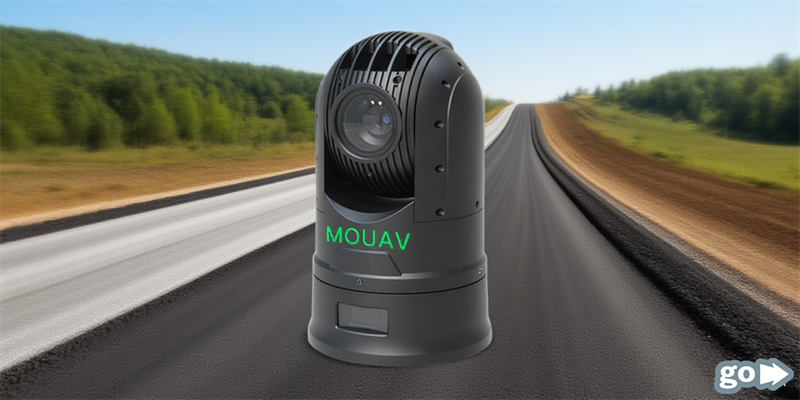
In the realm of surveillance technology, PTZ CCTV cameras have emerged as a powerful tool for monitoring and security. PTZ, which stands for Pan - Tilt - Zoom, allows these cameras to move horizontally (pan), vertically (tilt), and adjust the focal length (zoom). This article will provide a detailed exploration of PTZ CCTV cameras, covering their features, applications, advantages, and more.
Features of PTZ CCTV Cameras
High - Definition Video Quality
Many PTZ CCTV cameras offer high - definition video, such as 1080p or even 4K resolution. For example, the LNZ32P4 - C PTZ camera provides 1080p HD video. This high - quality video ensures clear and detailed footage, enabling users to identify people, objects, and events accurately.
Optical Zoom Capability
Optical zoom is a crucial feature of PTZ cameras. Some cameras, like the one with a powerful 4× optical zoom, can bring distant objects closer without sacrificing image quality. In comparison, digital zoom may result in pixelation, making optical zoom a more reliable option for getting a clear view of far - off subjects.
Color Night Vision
Color Night Vision™ is another remarkable feature. It allows PTZ cameras to capture full - color images at night. This is a significant improvement over traditional black - and - white night vision, as color can provide more valuable information for identification and analysis.
Weatherproof and Temperature Tolerance
PTZ cameras are often designed to be used in various environments. They are weatherproof and can tolerate extreme temperatures. This means they can be installed both indoors and outdoors, ensuring continuous surveillance regardless of the weather conditions.
Applications of PTZ CCTV Cameras
Public Places
In public places such as parks, shopping malls, and airports, PTZ cameras are widely used. Their ability to pan, tilt, and zoom allows security personnel to monitor large areas effectively. For instance, in a shopping mall, a PTZ camera can cover multiple storefronts and common areas, and quickly zoom in on any suspicious activity.
Security Monitoring
For security purposes, PTZ cameras are an excellent choice. They can be installed around buildings, factories, and other facilities. If an intrusion is detected, the camera can be adjusted to focus on the intruder, providing clear evidence for later investigation.
Traffic Monitoring
In traffic management, PTZ cameras play an important role. They can be placed at intersections, highways, and toll booths. By panning and tilting, they can monitor traffic flow from different angles, and zoom in to check for license plates or traffic violations.
Industrial Production
In industrial production environments, PTZ cameras can be used for quality control. They can zoom in on production lines to check the quality of products, and pan and tilt to monitor the entire production process.
Large - Scale Events
During large - scale events like concerts, sports games, or political rallies, PTZ cameras are used for live - streaming and recording. They can capture different parts of the event, providing a comprehensive view for both on - site monitoring and remote viewing.
Advantages of PTZ CCTV Cameras
Flexibility
One of the main advantages of PTZ cameras is their flexibility. Unlike fixed - position cameras, PTZ cameras can be adjusted to view different areas as needed. This means that a single PTZ camera can cover a larger area than multiple fixed cameras, reducing the overall cost of a surveillance system.
Detail Capture
With the zoom function, PTZ cameras can capture fine details. Whether it's a license plate number, a person's face, or a small object, the camera can zoom in to get a clear view. This is extremely useful in forensic investigations and security operations.
Efficiency
PTZ cameras can improve the efficiency of surveillance. Security personnel can quickly move the camera to the area of interest instead of waiting for a pre - set view. This real - time adjustment saves time and allows for a more proactive response to security threats.
Automation
Many PTZ cameras support automation features such as preset points and cruise paths. Preset points allow the camera to quickly move to a pre - defined position, while cruise paths enable the camera to automatically pan, tilt, and zoom along a pre - programmed route.
Technical Principles of PTZ Control
###云台控制(Pan and Tilt Control) 云台控制(Pan and Tilt Control) refers to the horizontal and vertical movement of the camera. This is achieved through motors and mechanical structures within the camera. By sending control signals, the camera can be made to pan left or right and tilt up or down.
###镜头控制(Zoom Control) 镜头控制(Zoom Control) is about adjusting the focal length of the camera lens. When the user sends a zoom - in or zoom - out command, the camera's lens mechanism changes the focal length, allowing the camera to get a closer or wider view of the subject.
Control Protocols for PTZ Cameras
Pelco - D/Pelco - P
Pelco - D and Pelco - P are two well - known control protocols for PTZ cameras. These protocols define how control signals are sent from the control device to the camera. They are widely used in the surveillance industry and are compatible with many PTZ cameras and control systems.
ONVIF
ONVIF (Open Network Video Interface Forum) is an open - standard protocol. It promotes interoperability between different brands of PTZ cameras and other surveillance devices. This means that users can mix and match products from different manufacturers, creating a more flexible and integrated surveillance system.
Other Proprietary Protocols
In addition to the above - mentioned protocols, there are also other proprietary protocols developed by individual manufacturers. These protocols may offer unique features or better compatibility with their own products.
How to Operate PTZ CCTV Cameras
Mouse Drag
Many PTZ camera control systems support mouse - drag operation. Users can simply click and drag the mouse on the control interface to make the camera pan, tilt, or zoom. This is a user - friendly way of operating the camera, especially for beginners.
Keyboard Shortcuts
Keyboard shortcuts are also available for operating PTZ cameras. For example, specific keys on the keyboard can be assigned to different camera movements, such as up, down, left, right, zoom in, and zoom out. This allows for quick and efficient operation.
Preset Points
Preset points are a useful feature. Users can set multiple preset points for the camera, which can be recalled with a single click. For example, in a large warehouse, preset points can be set for different aisles, allowing security personnel to quickly switch between views.
Cruise Paths
Cruise paths enable the camera to move automatically along a pre - defined route. This is useful for continuously monitoring a large area. The camera can pan, tilt, and zoom at different points along the route, providing comprehensive surveillance.
Conclusion
PTZ CCTV cameras are a versatile and powerful tool in the field of surveillance. Their features such as high - definition video, optical zoom, color night vision, and weatherproof design make them suitable for a wide range of applications. With the right control protocols and operation methods, users can fully utilize the capabilities of these cameras to enhance security, monitor traffic, and ensure quality in industrial production. As technology continues to develop, we can expect PTZ cameras to become even more advanced and widely used in the future.
In summary, PTZ CCTV cameras offer a reliable and effective solution for various surveillance needs. Whether it's a small - scale business or a large - scale public facility, these cameras can provide the necessary security and monitoring capabilities.




One stop audio and video fusion solution provider


Message
Company
Name*
E-mail*
WhatsApp
WeChat
Verification code