

LET'S STAY IN TOUCH
Join the Newsletter*

PTZ CCTV: An In - Depth Exploration
4G ptz camera_5G ptz camera_pan tilt zoom camera_ptz video camera_ptz cctv camera
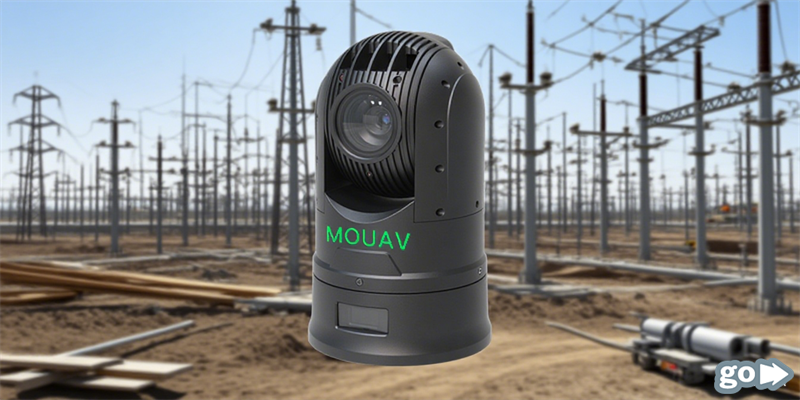
PTZ CCTV: An In - Depth Exploration
Introduction to PTZ CCTV
PTZ CCTV, which stands for Pan - Tilt - Zoom Closed - Circuit Television, is a crucial part of modern security systems. The pan function allows the camera to move horizontally, the tilt function enables vertical movement, and the zoom function provides the ability to magnify the view. This flexibility makes PTZ CCTV cameras highly adaptable to different surveillance needs.
For example, in a large warehouse, a PTZ CCTV camera can be used to monitor different aisles and storage areas. It can pan across the width of the warehouse, tilt up to view high - shelved items, and zoom in to get a closer look at any suspicious activity. In a busy city square, these cameras can cover a wide area, quickly shifting focus from one part of the square to another as needed.
Key Features of PTZ CCTV
High - Resolution Imaging
Many PTZ CCTV cameras now offer high - resolution imaging, such as 4K. A CCTV 4K 8x Zoom Dual Lens PTZ WiFi Security IP Camera is available in the market. With 4K resolution, the camera can capture clear and detailed images, which is essential for identifying people, objects, and license plates in surveillance footage. The 8x zoom feature further enhances the ability to get a closer view of distant objects without sacrificing image quality.
Wireless Connectivity
WiFi connectivity is another important feature of modern PTZ CCTV cameras. It allows for easy installation and flexibility in camera placement. For instance, a business owner can install a PTZ CCTV camera in a corner of the store without the hassle of running long cables. The camera can be connected to the existing WiFi network, and the footage can be accessed remotely through a mobile app or a web browser.
Remote Control
One of the significant advantages of PTZ CCTV is the ability to control the camera remotely. Through a dedicated software or a mobile app, users can pan, tilt, and zoom the camera from anywhere with an internet connection. This is particularly useful for security personnel who need to monitor multiple locations simultaneously or for business owners who want to check on their premises while away.
Applications of PTZ CCTV
Commercial Use
In commercial settings, PTZ CCTV cameras are widely used for security and management purposes. Shopping malls, for example, use these cameras to monitor large open areas, entrances, and exits. They can quickly detect shoplifting or other security threats and provide evidence for investigations. In addition, PTZ CCTV cameras can be used to monitor employee activities, ensuring that work is being carried out efficiently.
Industrial Use
Industrial facilities, such as factories and power plants, also benefit from PTZ CCTV cameras. These cameras can monitor large production areas, machinery, and storage facilities. They can detect equipment malfunctions, unauthorized access, and safety hazards. For example, in a chemical plant, a PTZ CCTV camera can be used to monitor the storage of hazardous chemicals, ensuring that safety protocols are being followed.
Public Areas
In public areas like parks, streets, and transportation hubs, PTZ CCTV cameras play a vital role in maintaining public safety. They can help law enforcement agencies to monitor traffic, detect criminal activities, and respond quickly to emergencies. For example, at a railway station, PTZ CCTV cameras can monitor platforms, ticket counters, and waiting areas to ensure the safety of passengers.
Installation and Setup of PTZ CCTV
Site Assessment
Before installing a PTZ CCTV camera, a thorough site assessment is necessary. This includes identifying the areas that need to be monitored, considering factors such as lighting conditions, potential obstacles, and the range of movement required. For example, in an outdoor area, the camera needs to be installed in a location where it can have a clear view of the target area without being affected by direct sunlight or rain.
Mounting and Placement
The mounting and placement of the PTZ CCTV camera are crucial for its performance. It should be mounted at an appropriate height and angle to cover the desired area. Wall - mounted or ceiling - mounted options are common, depending on the specific requirements of the site. In addition, the camera should be installed in a secure location to prevent vandalism or theft.
Configuration and Calibration
Once the camera is installed, it needs to be configured and calibrated. This includes setting up the network connection, adjusting the pan, tilt, and zoom functions, and calibrating the image settings. The camera may also need to be integrated with a video management system (VMS) for centralized monitoring and recording.
Maintenance and Troubleshooting of PTZ CCTV
Regular Maintenance
Regular maintenance is essential to ensure the proper functioning of PTZ CCTV cameras. This includes cleaning the lens to maintain clear visibility, checking the power supply, and inspecting the physical condition of the camera. For example, in a dusty environment, the lens may need to be cleaned more frequently to prevent dirt from affecting the image quality.
Troubleshooting Common Issues
Some common issues with PTZ CCTV cameras include problems with movement, image quality, and network connectivity. If the camera is not panning or tilting correctly, it may be due to a mechanical problem or a software glitch. Image quality issues can be caused by a dirty lens, incorrect settings, or a problem with the camera's sensor. Network connectivity problems can be resolved by checking the WiFi settings, router configuration, or the camera's network adapter.
Future Trends of PTZ CCTV
Artificial Intelligence Integration
The integration of artificial intelligence (AI) is a significant future trend for PTZ CCTV cameras. AI can be used for video analytics, such as facial recognition, object detection, and behavior analysis. For example, a PTZ CCTV camera with AI capabilities can automatically detect a person's face and compare it with a database of known individuals. It can also detect abnormal behavior, such as loitering or running in a restricted area, and send an alert to the security personnel.
Cloud - Based Storage
Cloud - based storage is becoming more popular for PTZ CCTV cameras. It offers several advantages, such as unlimited storage capacity, easy access to footage from anywhere, and data backup. Instead of relying on local hard drives, which may have limited capacity and be prone to damage, cloud - based storage provides a more reliable and scalable solution.
Miniaturization and Higher Mobility
There is a trend towards miniaturization and higher mobility of PTZ CCTV cameras. Smaller and more portable cameras can be easily installed in different locations and moved as needed. This is particularly useful for temporary surveillance needs, such as events or construction sites.
In conclusion, PTZ CCTV cameras are an essential part of modern security systems. With their advanced features, wide range of applications, and continuous technological advancements, they will continue to play a crucial role in ensuring safety and security in various settings.




One stop audio and video fusion solution provider


Message
Company
Name*
E-mail*
WhatsApp
WeChat
Verification code