

LET'S STAY IN TOUCH
Join the Newsletter*

Pan Tilt Zoom: An In - Depth Exploration
4G ptz camera_5G ptz camera_pan tilt zoom camera_ptz video camera_ptz cctv camera
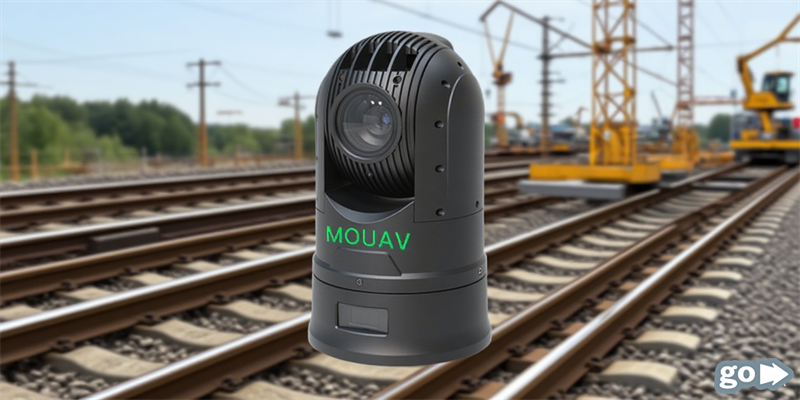
Pan Tilt Zoom: An In - Depth Exploration
1. Introduction to Pan Tilt Zoom
Pan Tilt Zoom (PTZ) technology has revolutionized the field of imaging and surveillance. The term 'pan' refers to the horizontal movement of a camera, allowing it to scan left and right. 'Tilt' represents the vertical movement, enabling the camera to look up and down. 'Zoom', on the other hand, involves the ability to change the focal length of the camera lens, either magnifying the subject (zoom - in) or getting a wider view (zoom - out).
PTZ cameras are widely used in various industries. For example, in the field of security and surveillance, they can cover a large area without the need for multiple fixed - position cameras. A single PTZ camera can be programmed to pan across a parking lot, tilt to look at different levels of a building, and zoom in on any suspicious activity. According to industry reports, the global market for PTZ cameras in the security sector is expected to reach a significant value in the next few years, growing at a certain percentage annually.
2. Technical Principles of Pan Tilt Zoom
Pan Movement
The pan mechanism of a PTZ camera is typically driven by a motor. This motor is connected to a gear system that rotates the camera horizontally. The precision of the pan movement is crucial, especially in applications where accurate tracking is required. For instance, in sports broadcasting, a PTZ camera needs to pan smoothly to follow the movement of athletes on the field. Advanced PTZ cameras can achieve high - speed pan movements while maintaining stability.
Tilt Movement
Similar to the pan mechanism, the tilt movement is also motor - driven. It allows the camera to move vertically. The range of tilt can vary depending on the design of the camera. Some cameras can tilt up to 90 degrees upwards and downwards. This wide range of tilt is useful in scenarios such as monitoring tall buildings or large indoor spaces. For example, in a museum, a PTZ camera can tilt to capture different levels of an art installation.
Zoom Function
The zoom function in a PTZ camera is based on the optical and sometimes digital zoom technology. Optical zoom changes the physical focal length of the lens, which provides a clear and high - quality image. Digital zoom, on the other hand, simply enlarges the pixels of the image, which may result in a loss of image quality. High - end PTZ cameras often have a large optical zoom ratio, such as 20x or 30x, which allows them to capture distant objects clearly.
3. Applications of Pan Tilt Zoom
Security and Surveillance
As mentioned earlier, PTZ cameras are extensively used in security and surveillance. In a large shopping mall, PTZ cameras can be placed at strategic locations. They can pan across different sections of the mall, tilt to view different floors, and zoom in on any potential security threats. For example, if there is a shoplifting incident, the camera can quickly zoom in on the suspect and follow their movements. In addition, PTZ cameras can be integrated with other security systems, such as alarm systems and access control systems.
Broadcasting and Media
In the broadcasting industry, PTZ cameras are essential. In a live sports event, multiple PTZ cameras are used to capture different angles of the game. They can pan to follow the movement of the ball, tilt to show the players' facial expressions, and zoom in on important moments, such as a goal or a foul. In a news studio, PTZ cameras can be used to provide different views of the anchor or the guests, adding variety to the visual presentation.
Education
In educational institutions, PTZ cameras are becoming increasingly popular. In a large lecture hall, a PTZ camera can pan across the audience, tilt to show the lecturer on the stage, and zoom in on important visual aids, such as slides or experiments. This allows students who are unable to attend the class in person to have a clear view of the teaching content. Some online courses also use PTZ cameras to record high - quality video lectures.
4. Advantages of Pan Tilt Zoom Cameras
Wide Coverage
One of the main advantages of PTZ cameras is their wide coverage area. A single PTZ camera can cover a large space that would otherwise require multiple fixed - position cameras. This not only reduces the cost of installation but also simplifies the management of the surveillance or imaging system. For example, in a large industrial complex, a few PTZ cameras can be used to monitor the entire area instead of installing dozens of fixed cameras.
Flexibility
PTZ cameras offer great flexibility. They can be remotely controlled, allowing operators to adjust the pan, tilt, and zoom functions according to the specific needs of the situation. In a security control room, operators can use a joystick or a software interface to control multiple PTZ cameras simultaneously. This flexibility is also useful in dynamic environments where the focus of attention may change frequently.
High - Quality Imaging
With the development of optical zoom technology, PTZ cameras can provide high - quality images. The ability to zoom in on distant objects without significant loss of image quality is a major advantage. In a wildlife observation project, a PTZ camera can zoom in on a rare bird in the distance and capture clear images of its features, which is very important for research purposes.
5. Challenges and Limitations of Pan Tilt Zoom
Cost
One of the main challenges of PTZ cameras is their relatively high cost. Compared to fixed - position cameras, PTZ cameras are more complex in terms of design and technology, which leads to a higher price. For small - scale businesses or individual users, the cost of purchasing and installing PTZ cameras may be prohibitive. However, as the technology matures and the market competition increases, the price of PTZ cameras is gradually decreasing.
Maintenance
PTZ cameras require more maintenance than fixed - position cameras. The moving parts, such as the motors for pan and tilt, are prone to wear and tear. Regular maintenance is needed to ensure the smooth operation of the camera. In addition, the zoom lens also needs to be cleaned and calibrated regularly to maintain good image quality. For example, in a harsh outdoor environment, dust and dirt can accumulate on the lens, affecting the clarity of the image.
Latency
In some applications, especially in real - time monitoring and broadcasting, latency can be a problem. When an operator controls the pan, tilt, or zoom function of a PTZ camera, there may be a slight delay between the control command and the actual movement of the camera. This can be a significant issue in high - speed events, such as a live sports broadcast, where every second counts.
6. Future Developments of Pan Tilt Zoom
Integration with AI Technology
The future of PTZ cameras lies in their integration with artificial intelligence (AI) technology. AI can be used to analyze the images captured by PTZ cameras. For example, in a security application, AI algorithms can detect abnormal behavior, such as a person running in a restricted area, and automatically control the camera to pan, tilt, and zoom to track the suspect. In addition, AI can also be used for image enhancement, improving the quality of the images captured by the camera.
Miniaturization
There is a trend towards miniaturization of PTZ cameras. Smaller and more lightweight PTZ cameras can be more easily installed in various environments. For example, in a home security system, a mini - PTZ camera can be placed on a bookshelf or a wall corner without taking up much space. Miniaturization also reduces the power consumption of the camera, making it more energy - efficient.
Improved Connectivity
In the future, PTZ cameras will have improved connectivity. They will be able to connect to the Internet more easily, allowing for remote access and control from anywhere in the world. This will further expand their applications in areas such as smart cities and remote monitoring. For example, a building manager can use a mobile app to control the PTZ cameras installed in the building while on the go.
In conclusion, Pan Tilt Zoom technology has had a profound impact on various industries. Although it faces some challenges and limitations, its advantages and future development prospects are very promising. With the continuous advancement of technology, PTZ cameras will become more intelligent, more efficient, and more widely used.




One stop audio and video fusion solution provider


Message
Company
Name*
E-mail*
WhatsApp
WeChat
Verification code