

LET'S STAY IN TOUCH
Join the Newsletter*

The Comprehensive Guide to PTZ Cameras
4G ptz camera_5G ptz camera_pan tilt zoom camera_ptz video camera_ptz cctv camera
The Comprehensive Guide to PTZ Cameras
Introduction to PTZ Cameras
PTZ cameras, short for Pan - Tilt - Zoom cameras, are a remarkable innovation in the field of surveillance and video recording. These cameras offer users the ability to control the horizontal pan, vertical tilt, and zoom functions remotely. This flexibility allows for a comprehensive view of the monitored area, making them suitable for a wide range of applications.
Technical Features of PTZ Cameras
Optical Zoom Capabilities
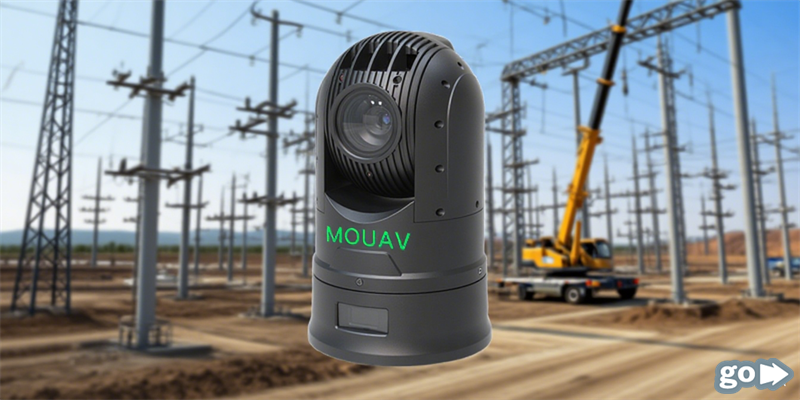
Optical zoom is one of the most important features of PTZ cameras. For example, the MOUAV P7 is equipped with a fast, stable AF lens with up to 23x optical zoom. This high - power optical zoom allows the camera to maintain high - quality images even when the subject is at a distance. Compared to digital zoom, which simply enlarges the pixels of the image and often results in a loss of quality, optical zoom uses the camera's lens to physically magnify the image, providing a clearer and more detailed view.
Precision Movement
Many modern PTZ cameras are designed with high - precision movement mechanisms. The HUAWEI camera has a next - generation high - precision PTZ with a localization deviation of only ±0.1°. This means that the camera can accurately position itself to capture the desired view. Moreover, its innovative design ensures that no noise is generated, even during fast movement. This is crucial in applications where silent operation is required, such as in a library or a hospital.
Image Quality
PTZ cameras are capable of providing high - resolution images. With the development of technology, many cameras can offer 4K image quality. For instance, Sony's BRC - AM7AI is a smart composition flagship PTZ camera that offers 5K super - sampled 4K 60p output. This high - quality image output is essential for applications where clear identification of objects or people is necessary, such as in security surveillance.
Applications of PTZ Cameras
Public Places
PTZ cameras are widely used in public places like airports, train stations, and squares. In airports, these cameras can cover large areas and can be adjusted to monitor different sections of the terminal. They can help security personnel to keep an eye on the flow of passengers, detect any suspicious behavior, and respond quickly to potential security threats. At train stations, PTZ cameras can monitor platforms, ticket areas, and entrances and exits to ensure the safety of passengers.
Security Monitoring
In places such as banks, museums, and government institutions, PTZ cameras play a vital role in security. They can automatically track suspicious individuals or vehicles that enter the monitored area. For example, if a person loiters in a restricted area of a bank, the PTZ camera can follow their movements and provide clear images for security review. This helps to enhance the overall security level of these sensitive locations.
Traffic Monitoring
On highways and urban roads, PTZ cameras are used to monitor traffic conditions in real - time. They can zoom in on traffic accidents, congested areas, or illegal driving behaviors. Traffic management departments can use the information provided by these cameras to make timely decisions, such as adjusting traffic signals or dispatching traffic police to the scene. This helps to improve traffic flow and reduce the occurrence of traffic jams.
Market Analysis of PTZ Cameras
Global Market Size
According to the market research report on PTZ cameras for live recording in 2025, the global and Chinese markets for PTZ cameras used in live recording reached a certain scale in 2024. The report predicts that by 2030, the global market for PTZ cameras used in live recording will reach a larger scale, growing at a certain compound annual growth rate. This indicates that the demand for PTZ cameras in the market is increasing steadily.
Key Players
The global market for PTZ cameras for live recording includes many well - known companies. These include Mevo Camera, Sony, Logitech, PTZOptics, Datavideo Technologies Co., 1 Beyond, Atlona, Panasonic, and BirdDog. Each of these companies offers different models of PTZ cameras with various features and price points. For example, Sony is known for its high - end, technologically advanced PTZ cameras, while Logitech offers more consumer - friendly and cost - effective options.
Market Segmentation
The market for PTZ cameras can be segmented by product type and application field. Product types include high - definition pan - tilt - zoom cameras, full - high - definition pan - tilt - zoom cameras, SHD PTZ cameras, and others. Application fields mainly include online and offline scenarios. Different product types and application fields have different market demands and growth potentials.
Installation and Maintenance of PTZ Cameras
Installation Considerations
When installing a PTZ camera, several factors need to be considered. First, the location of the camera is crucial. It should be installed in a position that can cover the maximum area of interest. For example, in a large warehouse, the camera should be installed at a high point to have a wide - angle view. Second, the camera needs to be properly calibrated to ensure accurate movement and zoom functions. This may require professional installation tools and skills.
Maintenance Requirements
Regular maintenance is necessary to ensure the long - term performance of PTZ cameras. This includes cleaning the lens regularly to prevent dust and dirt from affecting the image quality. The camera's mechanical parts also need to be checked for any signs of wear and tear. In addition, software updates should be installed in a timely manner to ensure that the camera has the latest features and security patches.
Future Trends of PTZ Cameras
Technological Advancements
In the future, PTZ cameras are likely to see further technological advancements. For example, the development of artificial intelligence may enable PTZ cameras to have more intelligent functions. They may be able to automatically detect and classify objects, such as people, vehicles, and animals, without human intervention. The optical zoom capabilities may also be further improved, allowing for even greater magnification and clearer images.
Integration with Other Systems
PTZ cameras are expected to be more integrated with other security and surveillance systems. They may be connected to access control systems, alarm systems, and video management systems. This integration will allow for a more comprehensive and efficient security solution. For example, when an alarm is triggered, the PTZ camera can automatically turn to the location of the alarm and start recording.
Expansion of Application Scenarios
As technology develops, the application scenarios of PTZ cameras are likely to expand. They may be used in new fields such as smart cities, where they can be used to monitor public facilities, environmental conditions, and traffic in a more intelligent way. In the field of sports, PTZ cameras can be used to provide better video coverage of games and events.
In conclusion, PTZ cameras are an important part of modern surveillance and video recording technology. With their advanced features, wide range of applications, and promising future trends, they will continue to play a significant role in various industries. Whether it is for security, traffic management, or live recording, PTZ cameras offer a flexible and effective solution.




One stop audio and video fusion solution provider


Message
Company
Name*
E-mail*
WhatsApp
WeChat
Verification code